
Discover the essential built-in functions in Oracle for numerical, string, and date manipulations, and learn how to apply them through practical examples to enhance your database management efficiency and effectiveness.
Understanding Database Management Systems (DBMS): Definition and Functioning
Explore the essential functions and benefits of a Database Management System (DBMS), and understand when it is more advantageous to use over an Object-Oriented DBMS (OODBMS).
Why Choose a Relational Database Over NoSQL? A Detailed Analysis
Despite the scalability of NoSQL databases, relational databases offer unmatched data integrity, complex query capabilities, and robust security, making them essential for industries where precision and reliability are critical.
Can MySQL Support Tens of Thousands of Concurrent Connections Without a Performance Collapse in Low-Conflict Scenarios Like TPC-C Testing?
MySQL can support tens of thousands of concurrent connections in low-conflict scenarios like TPC-C testing, provided optimizations such as thread pooling, connection pooling, and buffer pool tuning are employed. Proper hardware, query optimization, and careful system tuning are crucial for achieving high concurrency without performance degradation.
The Role of MongoDB in the MEAN Stack Architecture
MongoDB is a key component of the MEAN stack architecture, providing a flexible, high-performance, and scalable database solution. Its role involves storing and managing data, integrating seamlessly with Node.js and Express.js, and supporting dynamic interactions with Angular. The benefits of MongoDB, such as its schema flexibility, scalability, and performance optimization, make it an ideal choice for modern web applications. However, developers must also consider challenges like data consistency and schema design to fully leverage MongoDB’s capabilities.
100 SQL Commands for Mastering SQL
100 SQL Commands for Mastering SQL
Strategies for Database Sharding and When to Use Them
This article explores database sharding strategies, detailing their benefits, drawbacks, and appropriate use cases, providing a comprehensive guide for implementing effective sharding in modern applications.
Protecting Against SQL Injection: An Overview of Platform Measures
This article explores the measures implemented by various platforms to protect against SQL injection and evaluates their effectiveness in preventing such attacks.
This article explores the differences between SQL and NoSQL databases, their respective strengths, and how they can be effectively used together in projects to optimize performance, scalability, and data management.
This article explores various free cloud relational databases ideal for initial web application development, highlighting Amazon RDS, Google Cloud SQL, Azure SQL Database, Heroku Postgres, and ElephantSQL, detailing their features and limitations.
This article explores AWS DynamoDB, a high-performance database for modern applications. It explains DynamoDB’s NoSQL approach, highlighting its key-value structure, scalability, and serverless nature. Overall, it describes how DynamoDB benefits developers building fast and adaptable applications.
ACID Properties in Relational Databases on File Systems
ACID Properties in Relational Databases on File Systems 1. Atomicity Transaction Logs: Relational databases use transaction logs stored on the file system to record changes made by transactions before they are committed to the database. If a transaction fails midway, the database can use the transaction log to roll back changes, ensuring atomicity. 2. Consistency Transactions […]
Beginner’s Guide to T-SQL
What is T-SQL? Transact-SQL (T-SQL) is an extension of SQL (Structured Query Language) used in Microsoft SQL Server and Sybase ASE. It includes procedural programming, local variables, and various support functions for string processing, date processing, mathematics, etc. Basic Syntax Here are some essential elements of T-SQL syntax: SELECT Statement Used to query data from […]
MySQL vs PostgreSQL: Choosing the Right Database for Your PHP Web App
This article explores the key differences between MySQL and PostgreSQL, popular databases for PHP web apps. It helps developers choose the right database based on project complexity, data needs, and future scalability.
NoSQL for Startups: A compelling choice for agile development and scalable data storage
This article explores the key advantages of NoSQL databases, specifically MongoDB, for startups compared to relational databases. We’ll delve into the benefits of flexibility, scalability, and development agility that NoSQL solutions provide, making them a perfect fit for the dynamic nature of startups.
Demystifying Database Interactions: A Guide to PG in Heroku Postgres and Beyond
This comprehensive response provides a detailed and informative guide on using PG in Heroku Postgres, best practices for secure interactions, and the considerations for choosing between REST APIs and GraphQL in full-stack projects.
MariaDB vs MySQL: Navigating the Open-Source Database Landscape
This article delves into the key differences between MariaDB and MySQL, exploring their strengths, weaknesses, and ideal use cases.
Safeguarding Your Data: A Comprehensive Guide to Data Security in DBMS
In this comprehensive guide, we will delve into the intricacies of data security in DBMS, exploring various measures, best practices, and strategies to safeguard your valuable data.
A Comprehensive Comparative Analysis of Relational and Non-Relational Databases: Unraveling the Key Differences and Use Cases
This comprehensive article provides a detailed exploration of the comparative analysis between relational and non-relational databases, addressing key differences, use cases, and considerations for decision-making.
Understanding Database Normalization: A Comprehensive Introduction
This comprehensive article provides an in-depth introduction to database normalization, covering its principles, process, normalization forms, and common techniques. By mastering the concepts of normalization, database designers and administrators can create efficient, scalable, and maintainable database systems that effectively manage and leverage organizational data.
The Evolution of Database Management Systems (DBMS): A Journey through Time
This comprehensive article provides a detailed exploration of the evolution of Database Management Systems (DBMS), covering key milestones, innovations, and future trends. From the origins of file-based systems to the emergence of relational databases, NoSQL databases, and distributed databases, the journey of DBMS reflects the dynamic nature of data management in the digital era.
Achieving Scalability and Performance Optimization in DBMS: Strategies and Best Practices
This article provides a comprehensive overview of strategies and best practices for achieving scalability and performance optimization in DBMS, covering key concepts, techniques, and tools essential for maximizing database performance and efficiency.
Understanding the Importance of ACID Properties in Database Management Systems (DBMS)
In this comprehensive guide, we will delve into each ACID property, elucidating its significance, implementation, and impact on the integrity and reliability of database operations.
Understanding Database Normalization: A Comprehensive Guide
In this article, we will delve into the intricacies of each Normal Form, from First Normal Form (1NF) to Sixth Normal Form (6NF), providing detailed explanations and illustrative examples.
Unveiling the Power of Google Cloud BigQuery: Features, Capacities, and Use Cases
In this article, we will explore the features, capacities, and diverse use cases that make Google Cloud BigQuery a go-to choice for organizations aiming to extract valuable insights from their data.

Graph Databases: Unleashing the Power of Relationships
This article explores the fundamental concepts of graph databases and highlights their applications and benefits alonwith few examples of graph databases.

Harnessing the Power of In-Memory Databases: Unleashing Real-Time Data Processing
We examine the idea, advantages, and uses of in-memory databases in this article, emphasizing their potential to transform businesses
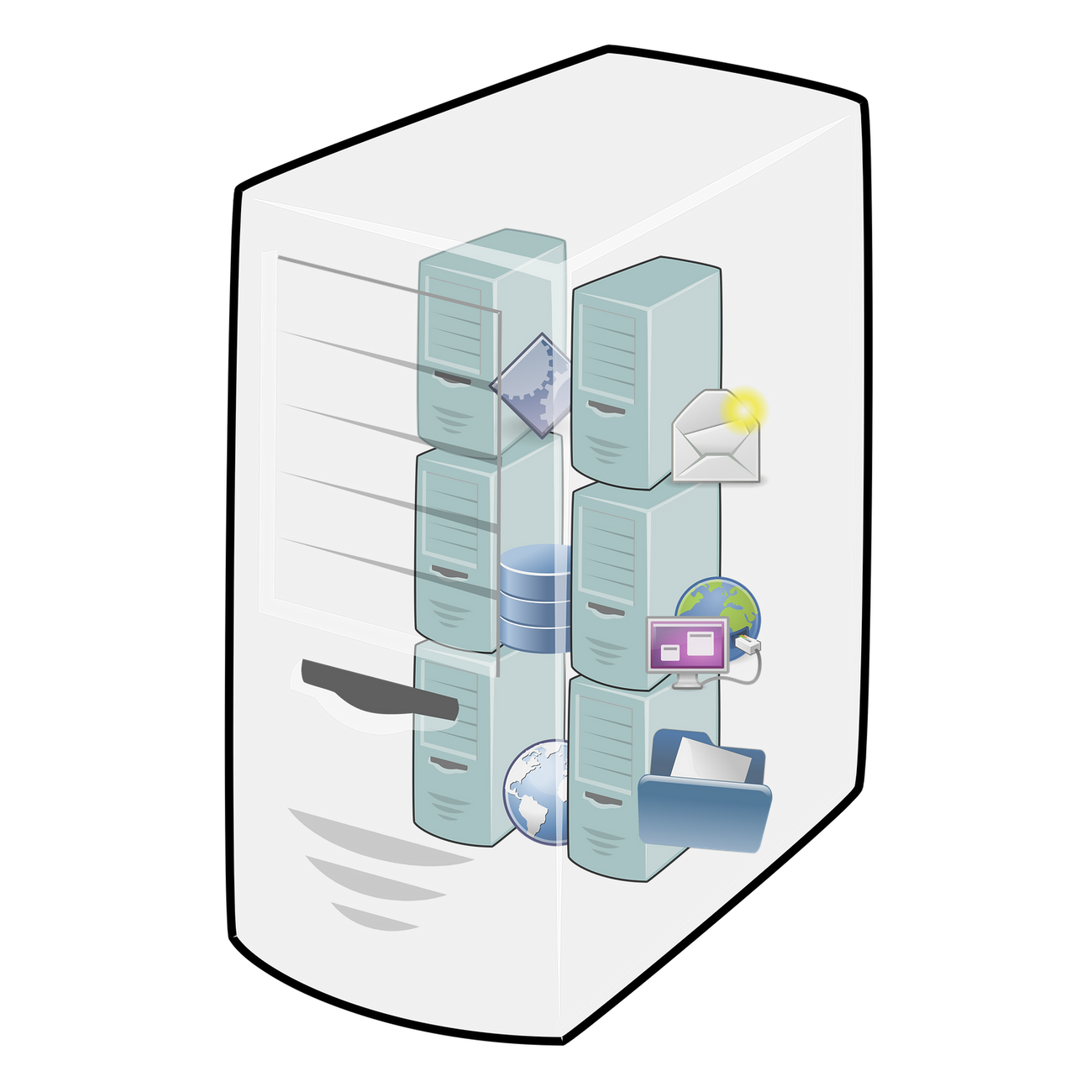
Introduction to Cloud Database
Introduction to Cloud Database

Serverless Database
Details about Serverless Database

Introduction to NoSQL Databases
Details about NoSQL Databases